「ワセクエ ハンガリー」が開催されました!
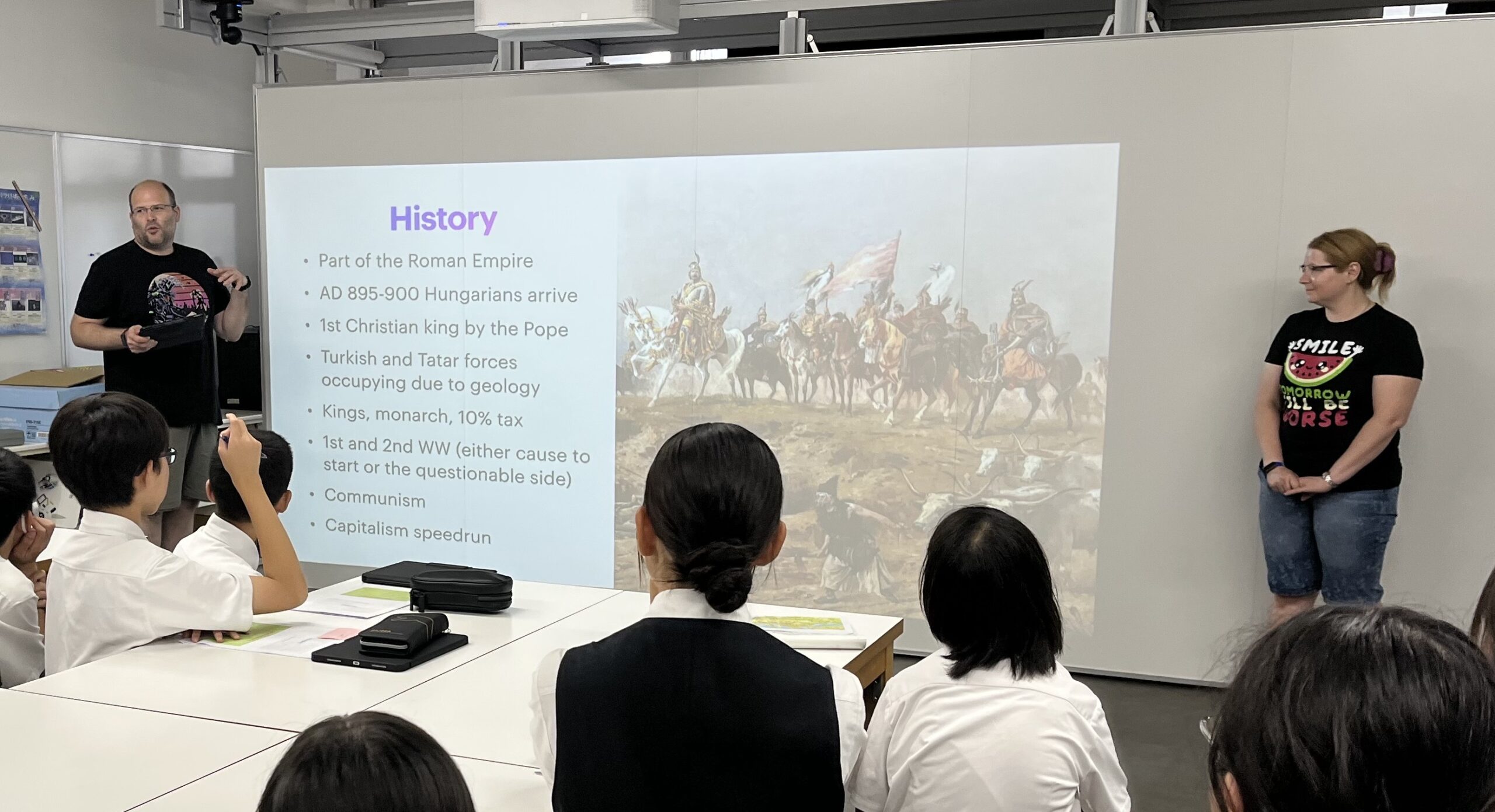
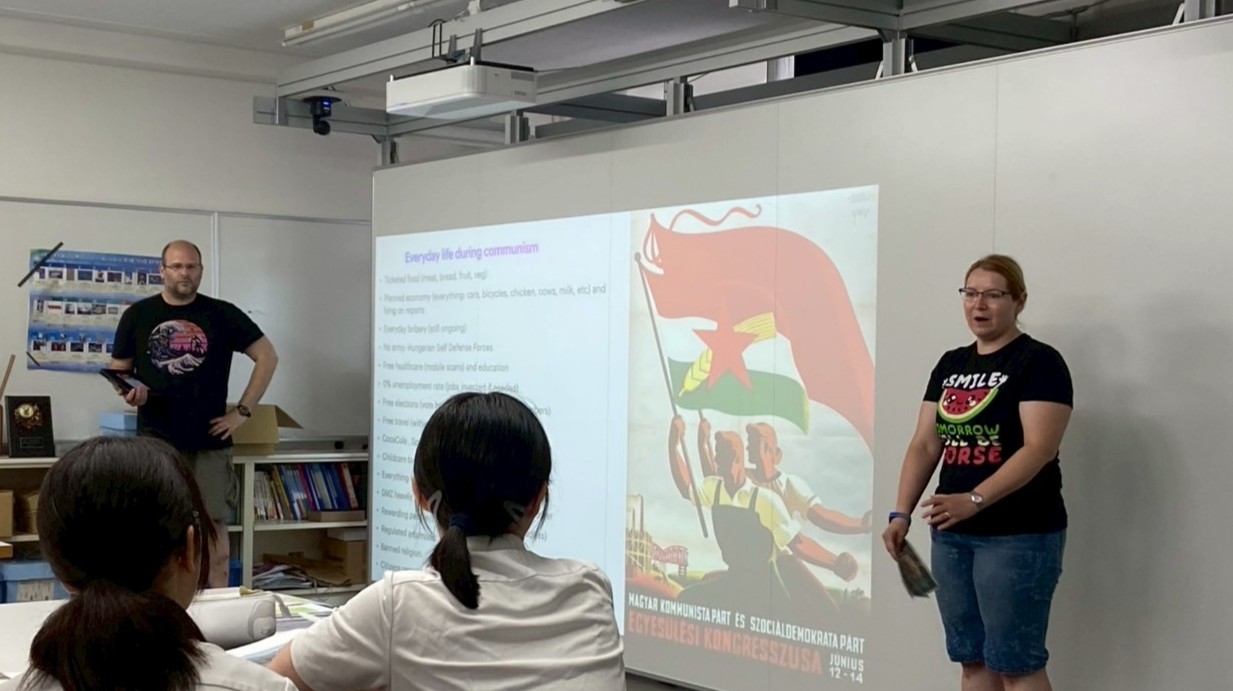
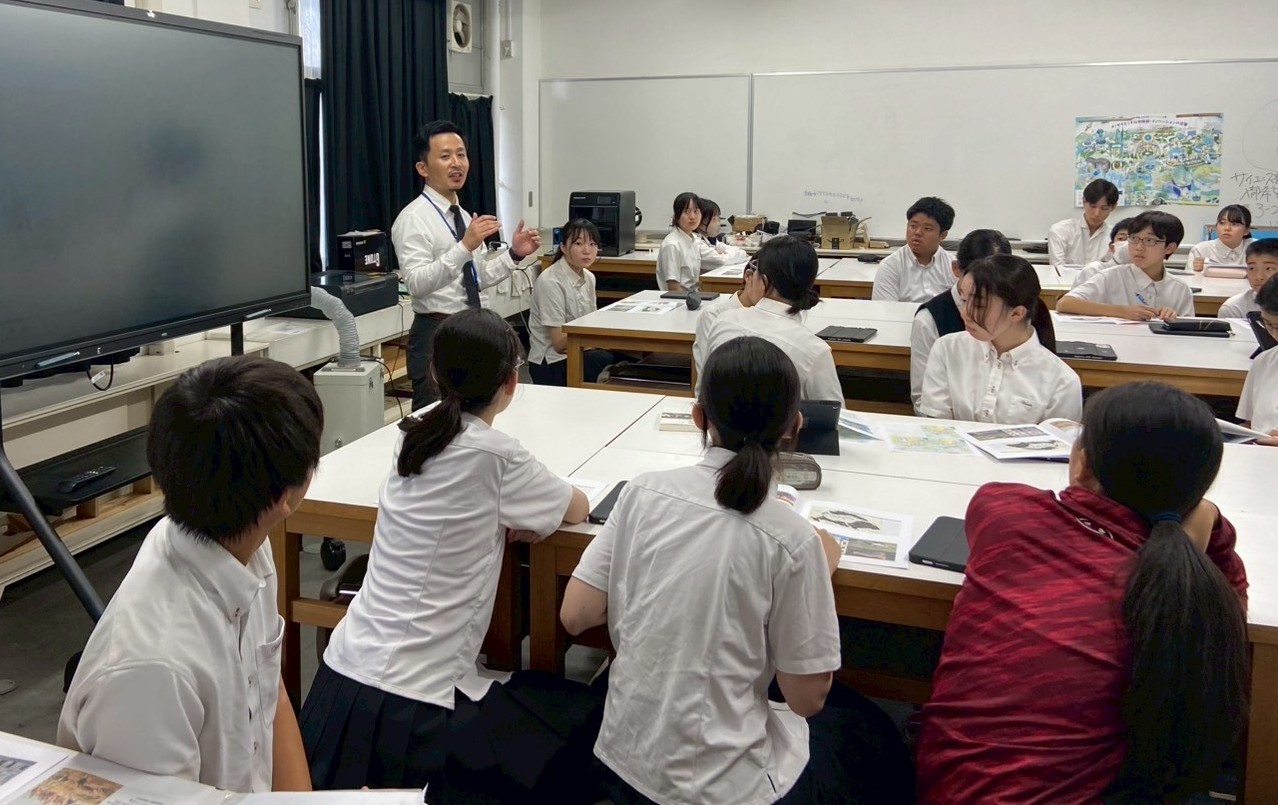
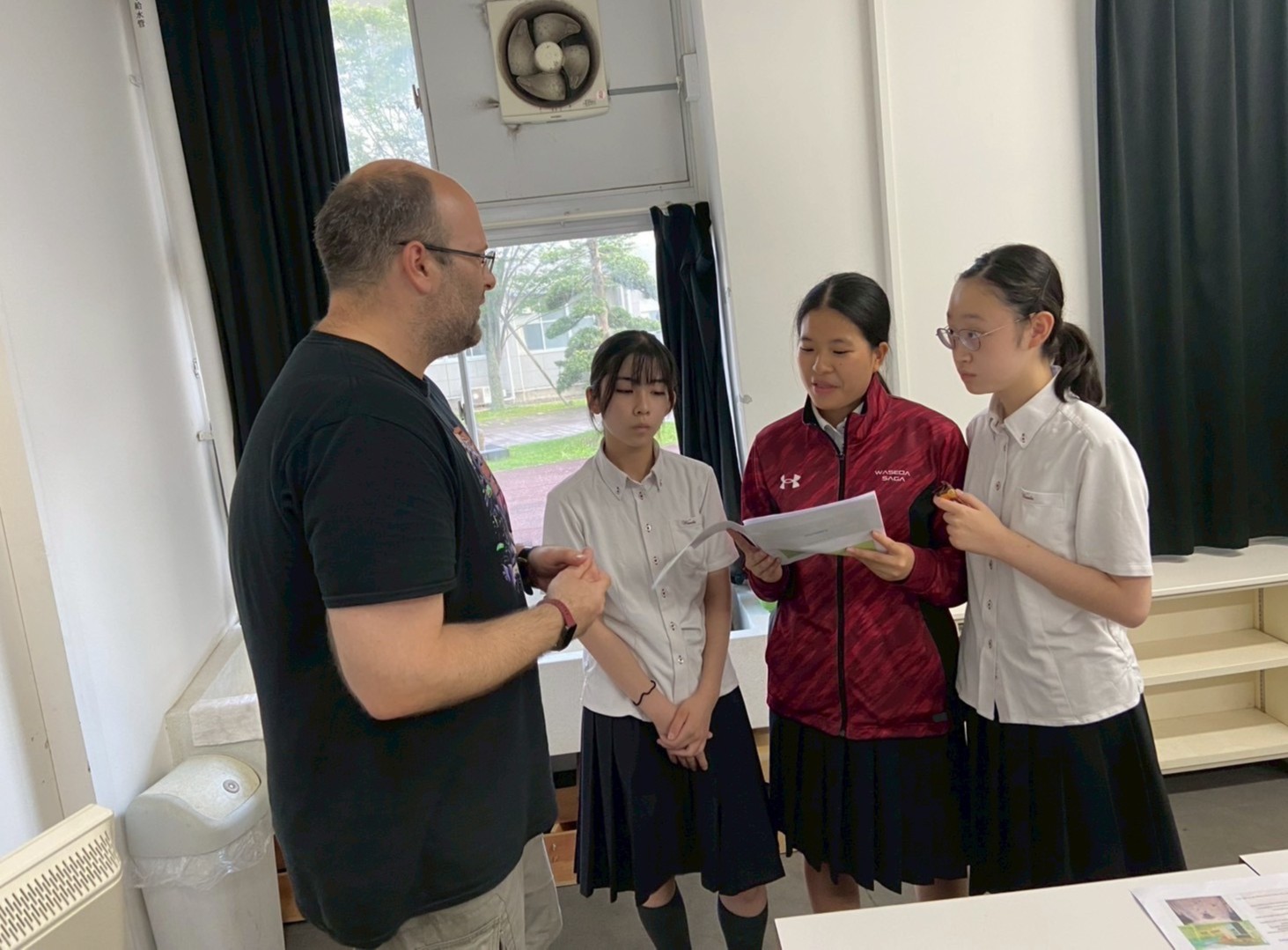
現在来日中のハンガリー出身(現イギリス在住)のお二人をお迎えし、ハンガリー講座が開催されました。
講義では、四季や温泉など「日本との共通点」といった地理的な話題から、ローマ帝国やオーストリア・ハンガリー帝国にさかのぼる歴史、第二次世界大戦時のエピソード、そして戦後の社会主義体制から資本主義への急速な転換など、多岐にわたるトピックでお話しいただきました。
中でも、社会主義体制下でご家族が隣国オーストリアへの脱出を試みたエピソードや、第二次世界大戦におけるご家族の従軍経験、さらには当時の配給制度、選挙、選挙事情といったリアルな日常生活の裏側は、まさにここでしか聞けない貴重な内容ばかり。生徒たちも熱心に耳を傾けていました。
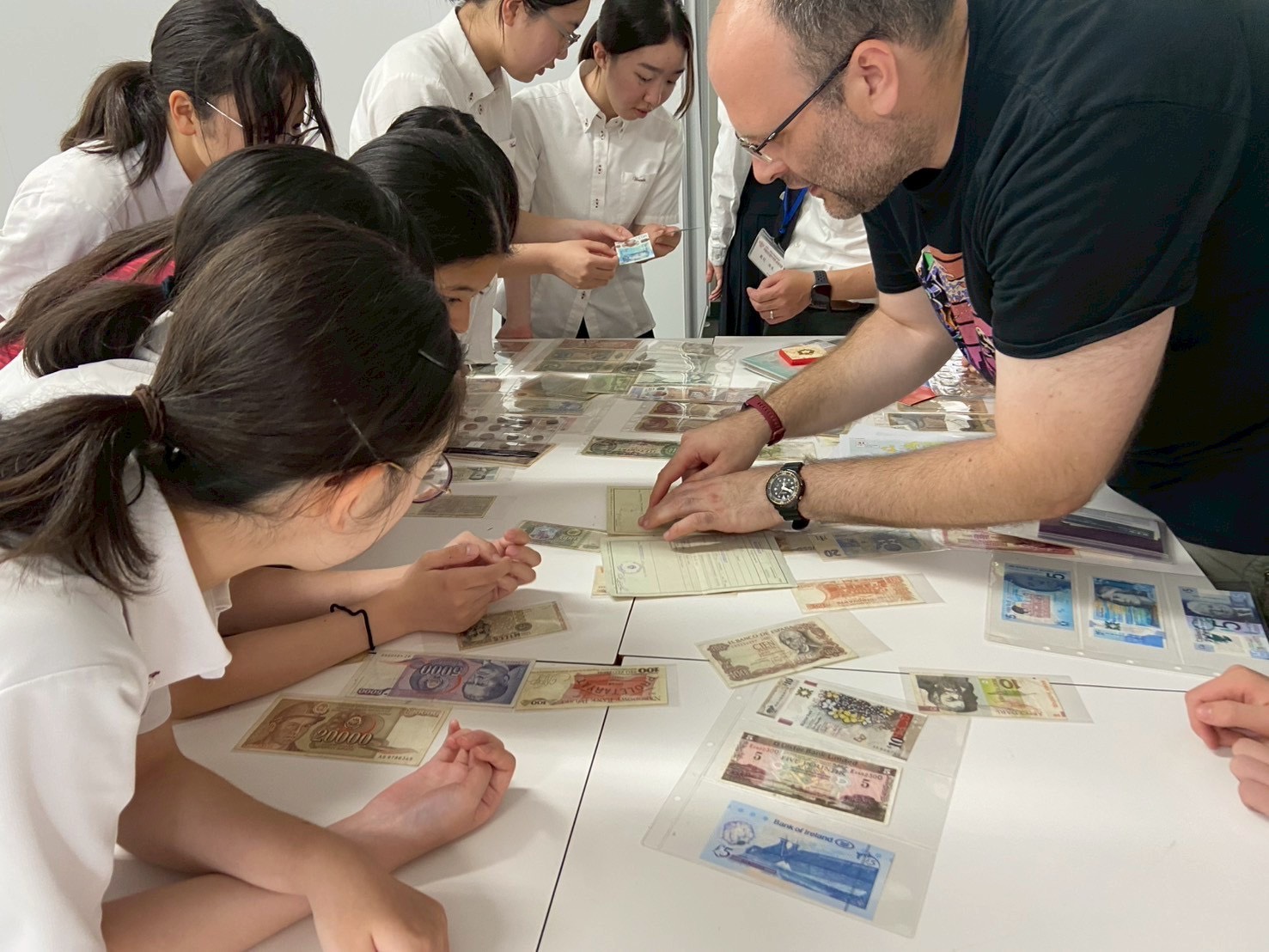
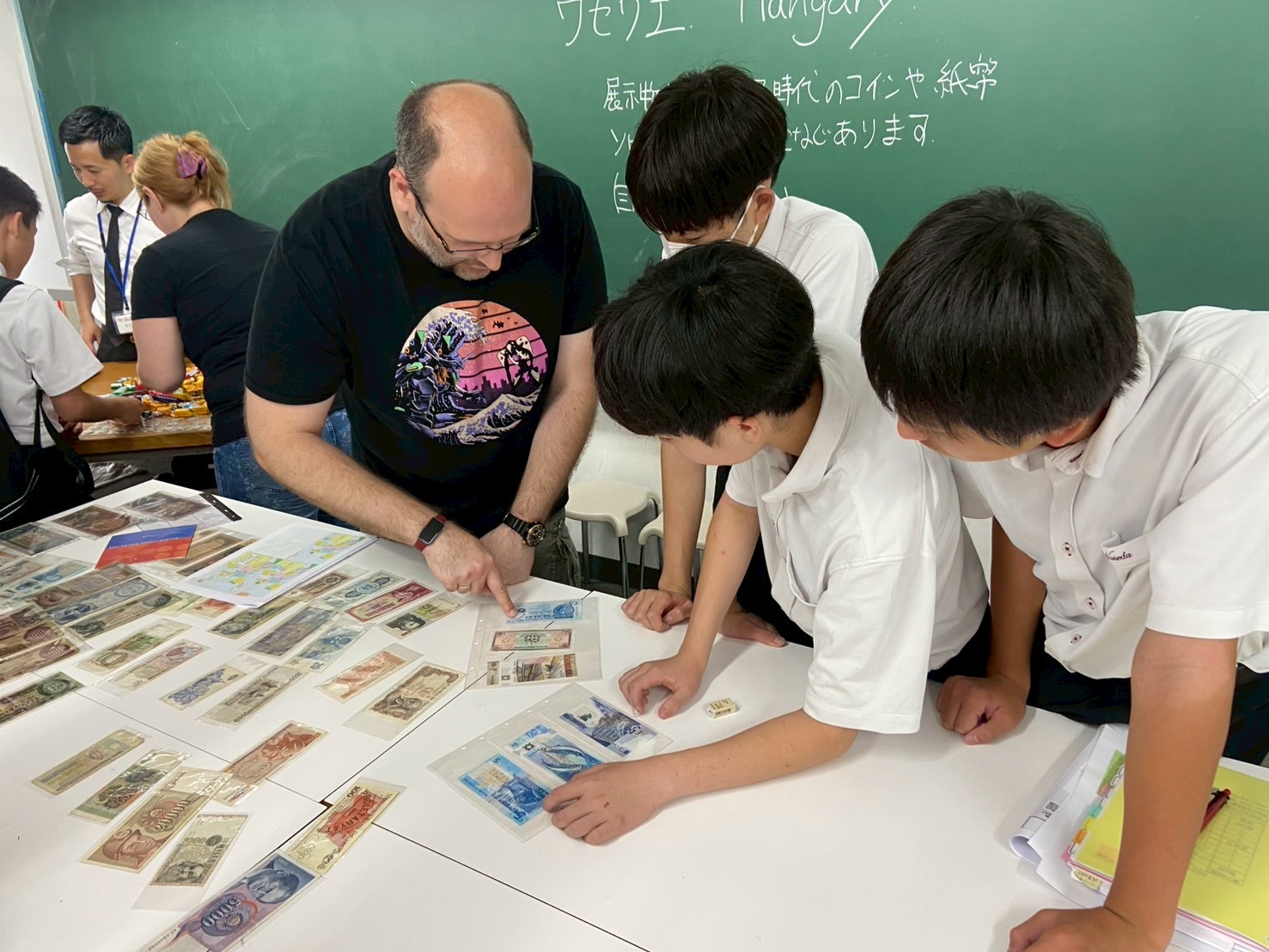
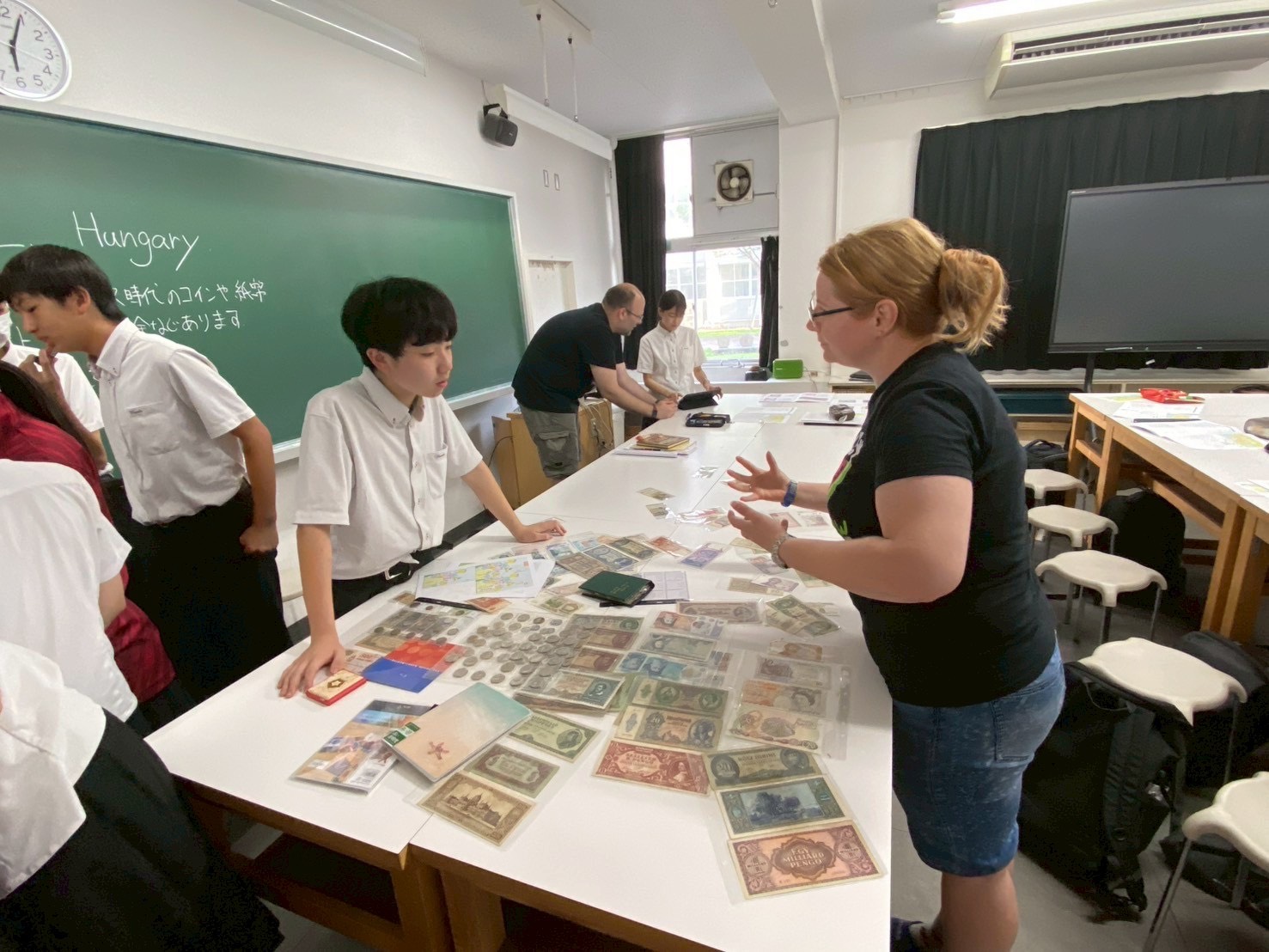
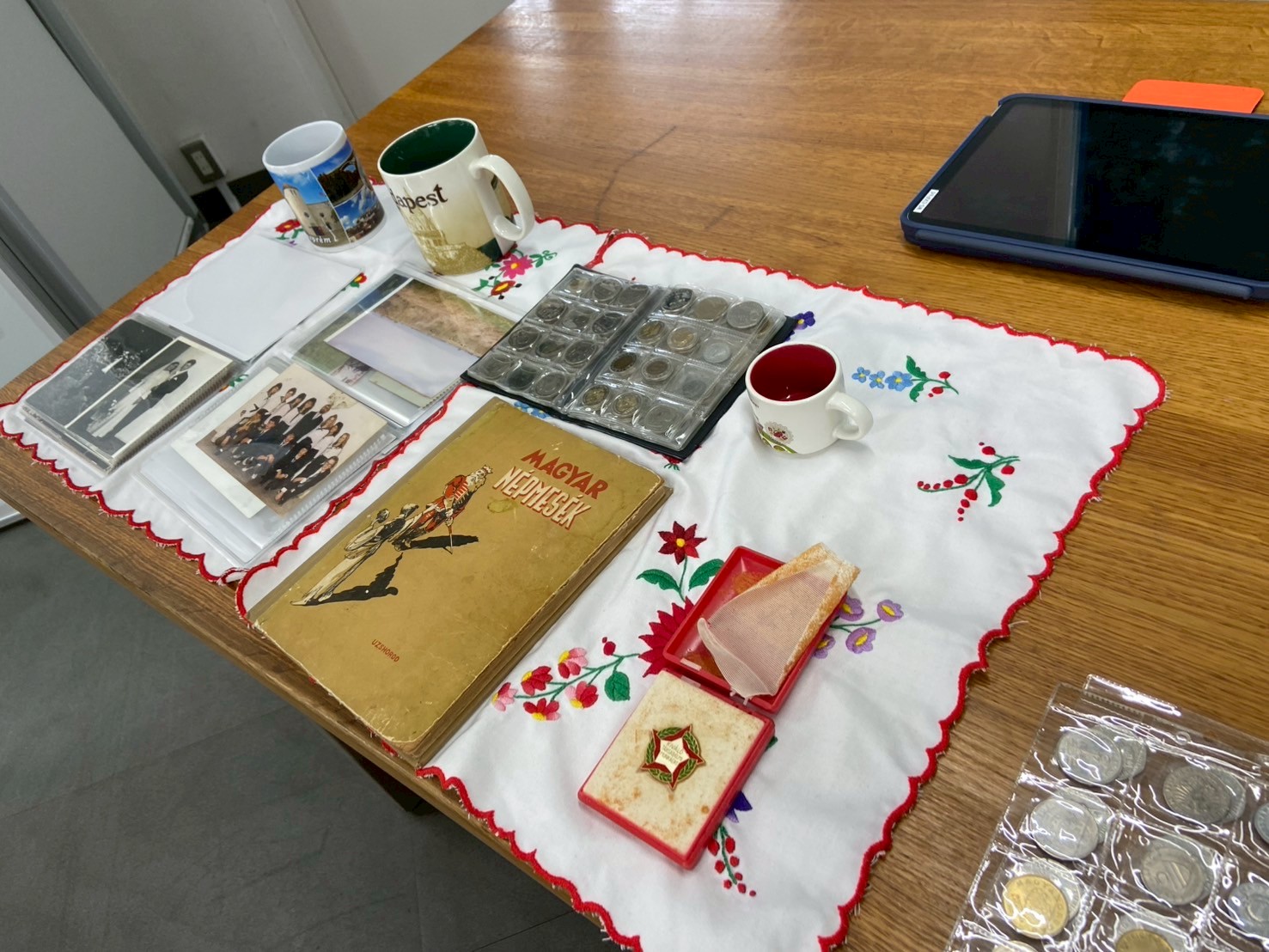
また、ハイパーインフレ時のハンガリー紙幣やナチス・ドイツのコイン、旧ユーゴスラビア・旧ソ連の紙幣、社会主義時代の身分証や政府からの勲章など、数々の貴重な歴史的資料もご持参いただき、講義後に紹介してくださいました。
生徒たちは目の前にある本物の資料に興味津々の様子でした。
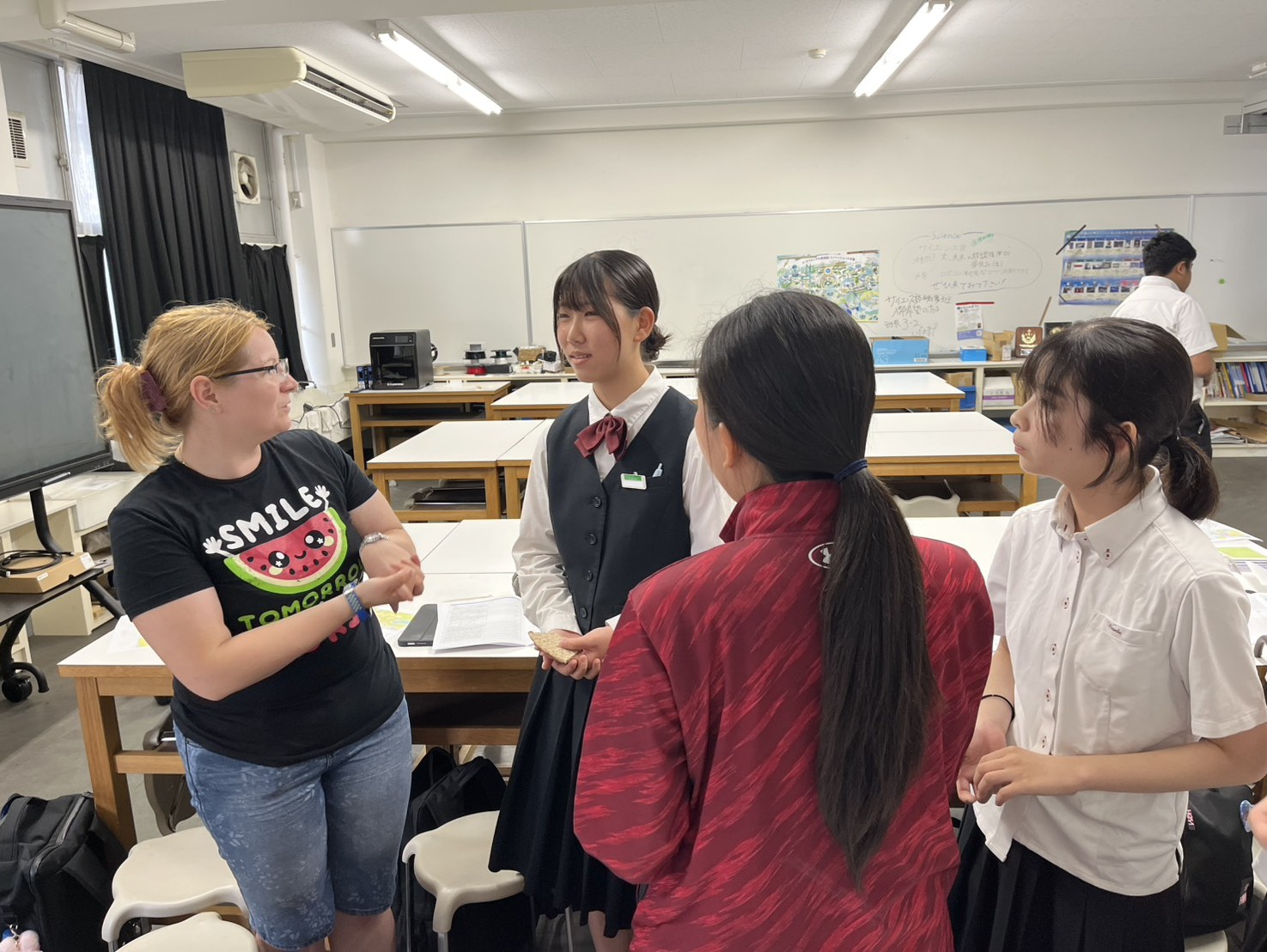
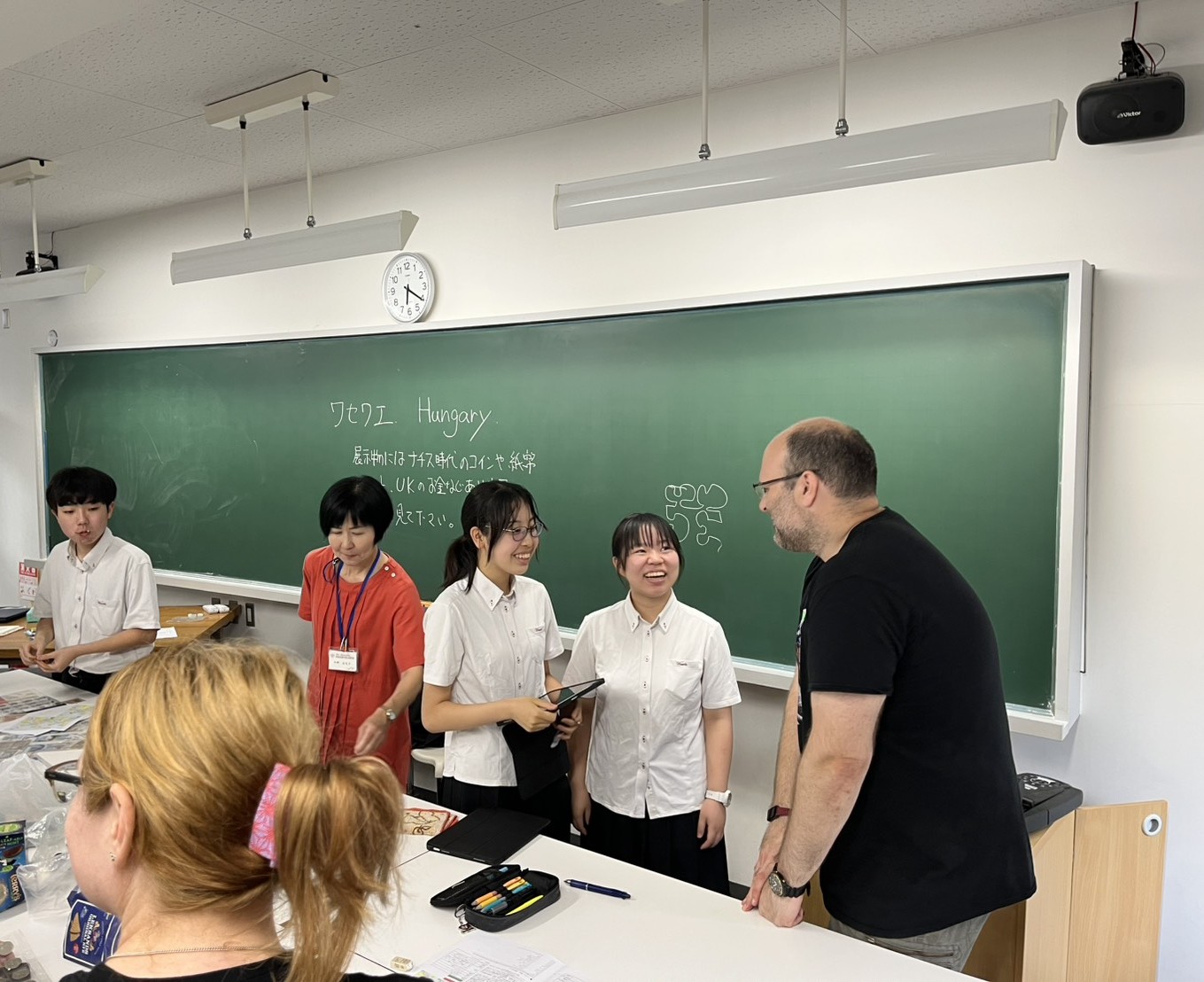
後半には、お二人のお仕事(エンジニア)やイギリスへの移住、日本のアニメや文化についてなど、親しみやすい話題でも盛り上がり、充実した時間となりました。
本講座はすべて英語で行われましたが、多くの生徒が積極的に質問や交流を楽しみ、世界への視野を広げる素晴らしい機会となりました。
We were absolutely delighted to welcome two guests from Hungary to our school today. They are both originally from Hungary and currently living in the UK, and took time out of their visit to Japan for a special lecture on Hungary.
Their lecture covered a wide range of topics, beginning with geographical similarities between Hungary and Japan, such as the four seasons and hot springs. The two speakers then went on to discuss Hungarian history, from the Roman Empire and the Austro-Hungarian Empire to episodes from World War II and Hungary’s rapid transition from socialism to capitalism after the war.
Our students seemed to be particularly fascinated by the speakers’ personal stories, including their families’ experiences of attempting to escape across the border into neighboring Austria under the socialist regime, their families’ experiences during World War II, and insights into everyday life at the time, including the rationing system and elections. These firsthand accounts offered a rare glimpse into history from a personal perspective—stories that could only be heard from those with such direct connections to the past.
The guests also brought a fascinating collection of historical artifacts, including Hungarian banknotes from the period of hyperinflation, coins from Nazi Germany, banknotes from the former Yugoslavia and the former Soviet Union, identification documents from the socialist era, and medals awarded by the government. The guests introduced each item following the lecture to our students, who were captivated by the authentic historical items.
In the second half of the session, the conversation shifted to more familiar topics, including the guests’ work as engineers, their experiences of moving to the UK, and their thoughts on Japanese anime and culture. It was very fun getting to know our guests through these engaging conversations.
This entire lecture was conducted in English, and many students participated actively, asking lots of questions and engaging in conversation. It was a wonderful opportunity for them to broaden their perspectives and deepen their understanding of the world beyond Japan, and we’d like to express our most sincerest thanks to our guests for sharing their time and knowledge with us. Viszontlátásra!